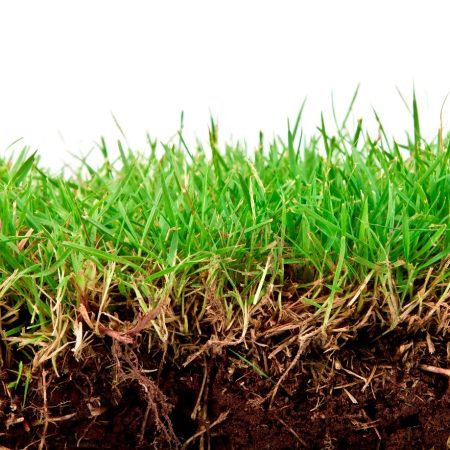




Healthy green lawn
Categories
Uncategorised

Why Is My Lawn Patchy? Common Causes and How to Fix It in Derby

A patchy lawn can make even the most attractive garden look neglected. If you’re noticing bare spots, brown patches or thinning grass, identifying the underlying cause is the first step towards restoring a healthy, green lawn.

Many lawn problems in Derby are caused by pests, disease, soil conditions or everyday wear and tear. Fortunately, most issues can be treated once the cause has been identified.

Common Causes of a Patchy Lawn

Lawn Pests

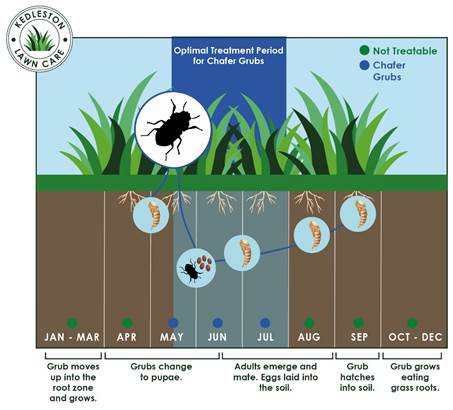
Chafer grubs and leatherjackets are among the most common lawn pests in the UK. These insects feed on grass roots, causing large sections of turf to weaken, turn brown and eventually die. Birds and other wildlife may also dig up your lawn while searching for the grubs.
Dog Urine Damage

Dog urine contains high levels of nitrogen, which can scorch the grass and leave unsightly brown patches surrounded by darker green rings. Repeated damage in the same areas can kill the grass completely.

Lawn Diseases

Fungal diseases such as Red Thread are common during warm, damp weather. They create irregular, discoloured patches that spread quickly if left untreated. Poor lawn health and nutrient deficiencies often make fungal infections worse.

Soil Compaction

Heavy foot traffic compresses the soil, restricting the movement of water, air and nutrients to the roots. As a result, grass struggles to grow, leaving thin or bare patches that are easily invaded by weeds and moss.

How to Repair Patchy Grass

The best way to repair a patchy lawn is to remove the dead grass, lightly loosen the soil with a garden fork, and overseed the affected areas using a quality grass seed that matches your existing lawn. Keep the soil consistently moist until the new grass becomes established.

If the patches continue to spread or return, there may be an underlying pest, disease or drainage issue that requires professional treatment.

Professional Lawn Repairs in Derby

At Kedleston Lawncare, we provide expert lawn diagnostics, pest control, disease treatments, overseeding and lawn renovation services across Derby and the surrounding areas. Rather than simply treating the symptoms, we identify the root cause to restore your lawn’s long-term health.

Contact Kedleston Lawncare today to book a professional lawn assessment and bring your patchy lawn back to life.
Categories
Uncategorised

Why Is My Lawn Full of Moss? Common Causes and the Best Solutions in Derby

If your lawn is covered in moss, you’re not alone. Moss is one of the most common lawn problems for homeowners in Derby and the surrounding areas. It usually appears when grass is struggling to grow, leaving space for moss to thrive.

Rather than simply removing the moss, it’s important to tackle the underlying causes. Otherwise, it will quickly return.

What Causes Moss to Grow in Lawns?

Moss thrives in conditions where healthy grass cannot compete. The most common causes include:

Too Much Shade

Lawns that receive limited sunlight due to mature trees, hedges, fences or nearby buildings often become ideal environments for moss. Grass needs sunlight to grow strongly, while moss flourishes in damp, shaded areas.

Compacted Soil

Heavy foot traffic and clay soils can become compacted over time. This reduces airflow to the grass roots, prevents healthy growth and creates perfect conditions for moss to spread.

Poor Drainage

Waterlogged lawns are one of the biggest contributors to moss growth. When water sits on the surface or drains slowly, grass roots become weak, allowing moss to take over.

Low Soil Fertility

Grass requires nutrients to stay thick and healthy. If your lawn lacks essential nutrients, it becomes thin and patchy, giving moss the opportunity to establish itself.

How to Get Rid of Moss in Your Lawn

Removing moss successfully involves more than simply treating the surface. A complete lawn care programme focuses on both removing existing moss and preventing it from returning.

1. Treat and Remove the Moss

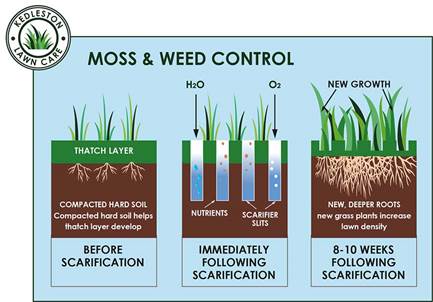
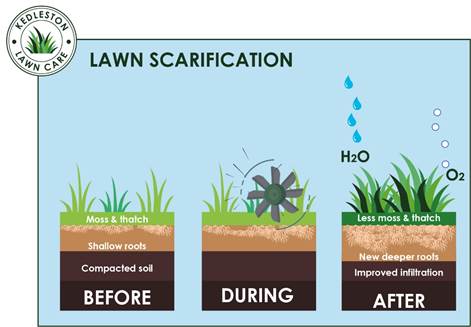
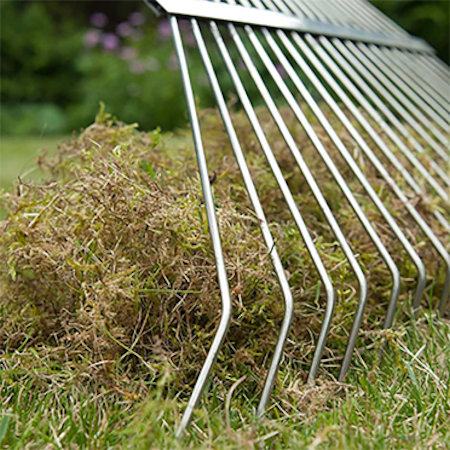
Apply a professional ferrous sulphate moss treatment to kill the moss. Once it has turned black, scarify the lawn to remove the dead moss, thatch and debris, allowing the grass to breathe again.

2. Aerate the Lawn

Lawn aeration, particularly hollow-tine aeration, relieves soil compaction and improves drainage. This allows oxygen, water and nutrients to reach the roots, helping your grass recover and reducing the conditions that moss prefers.

3. Overseed Bare Areas

After scarifying, overseed any bare patches with quality grass seed. A thick, healthy lawn leaves little room for moss to return and creates a greener, stronger finish.

Professional Moss Removal and Lawn Care in Derby

If moss is taking over your lawn, professional treatment can restore your grass and improve its long-term health. At Kedleston Lawncare, we provide expert moss removal, lawn scarification, aeration and overseeding services throughout Derby and the surrounding areas.

Whether your lawn suffers from poor drainage, compacted soil or persistent moss growth, we’ll identify the cause and recommend the right treatment to help you achieve a healthier, greener lawn.

Contact Kedleston Lawncare today to book a professional lawn assessment and discover how we can transform your lawn into a lush, moss-free garden.

Categories
Uncategorised

How Clay Soil Affects Your Lawn in Derby (And How to Fix It)

Heavy clay soil is a common challenge for homeowners across Derby and Derbyshire. While clay is naturally rich in nutrients, its dense structure can make it difficult to grow a healthy, lush lawn.

If your grass suffers from poor drainage, moss, standing water or bare patches, clay soil could be the underlying cause.

Why Clay Soil Causes Lawn Problems

Clay soil is made up of extremely fine particles that pack tightly together. This limits the movement of air, water and nutrients through the soil, making it harder for grass roots to grow and thrive.

Poor Drainage and Waterlogging

During the wetter months, clay soil holds onto excess water instead of allowing it to drain away. Waterlogged lawns deprive grass roots of oxygen, weaken the turf and create the perfect conditions for moss and fungal diseases to develop.

Hard, Compacted Ground in Summer

When clay dries out during warm weather, it becomes hard and compacted. Rainwater struggles to penetrate the surface, meaning grass roots receive less moisture during dry spells. This often results in thin, patchy grass that is more vulnerable to weeds and drought stress.

How to Improve Clay Soil

Although you can’t replace your garden’s soil, you can significantly improve its condition with the right lawn care treatments.

Lawn Aeration

Hollow-tine aeration removes small cores of soil, reducing compaction and allowing oxygen, water and nutrients to reach the roots. Regular aeration is one of the most effective ways to improve lawns growing on heavy clay soils.

Top Dressing

Following aeration, applying a quality sand and loam top dressing helps improve soil structure over time. The material fills the aeration holes, increasing drainage, encouraging stronger root development and gradually creating healthier growing conditions.

Professional Lawn Care for Clay Soils in Derby

If your lawn struggles with heavy clay soil, professional treatment can make a significant difference. At Kedleston Lawncare, we specialise in lawn aeration, top dressing, scarification and seasonal lawn treatments throughout Derby and the surrounding areas.

Our tailored lawn care programmes help improve drainage, reduce moss, relieve compaction and encourage thicker, healthier grass all year round.

Contact Kedleston Lawncare today to find out how we can transform your clay soil lawn into a greener, healthier garden.